
Fresh Evidence of Transitory GOLDILOCKS in the US Economy
The August University of Michigan Consumer Sentiment was marginally confirming of our “resilient US economy” theme.
Specifically, the Employment Survey – one of our “Fab 5” recession signaling indicators – ticked up to its highest level since Sep-22.
Additionally, the 1yr Forward Expected Change in Financial Situation Index ticked up to its highest level since Jul-21.
The August University of Michigan Consumer Sentiment was marginally confirming of the “immaculate disinflation” narrative as well. Specifically, the NTM and 5-10yr CPI forecast declined to their lowest respective levels since Mar-21 and Sep-22.
Correction or Crash?
One recent data point that gives us confidence we are not at the start of a market crash is the July NFIB Small Business Optimism Survey, which was released yesterday. The report had an undeniable GOLDILOCKS (growth UP; inflation DOWN) vibe to it.
On the growth front:
- the Headline Index rose to the highest since Sep-22
- Capex Plans rose to the highest since Jan-22
- Inventory Accumulation rose to the highest since Oct-22
- Sales Expectations rose to a 5mo high
- Hiring Plans rose to a 2mo high
- Few or No Qualified Applicant for Job Openings rose to the highest since Sep-22
On the inflation front:
- the Higher Prices Index fell to the lowest since Jan-21
- Price Plans Next 3mos fell to a 3mo low
- Compensation Plans fell to the lowest since Apr-21
New Headwinds for Asset Markets
Last week, Darius joined Nicole Petallides on the TD Ameritrade Network to discuss market headwinds, tailwinds, inflation, and more.
In case you missed it, here are three takeaways from the interview you need to know:
1) Asset Markets Face Three New Headwinds That Arose Over The Past Few Weeks
We have seen a lot of recent volatility in asset markets as they digest three new headwinds that arose over the past couple of weeks:
- The Bank of Japan (BOJ) tweaked its Yield Curve Control (YCC) policy and will allow interest rates to rise more freely
- The Treasury Department positively revised the number of treasuries that they will supply in Q3 from an estimated $733bn in May to $1.007 in August
- Fitch downgraded the US credit rating from AAA to AA+
2) We Believe The Existing Asset Market Tailwinds Will Push Stocks Higher Over The Next Quarter
In addition to the “Resilient US Economy” theme and the high likelihood that the immaculate disinflation trend will continue, two additional readings that came out last week contribute to our theory:
- Jobless claims, the number of people filing weekly to receive unemployment insurance due to not having a job, came in at 227k and well below its recession signaling threshold when analyzed on a three-month annualized basis
- Continued claims, the number of people who have already filed an initial claim and who have experienced a week of unemployment and then filed a continued claim to claim benefits for that week of unemployment, came in at 1.7M and well below its recession signaling threshold when analyzed on a three-month annualized basis
Although a few of last week’s readings disprove the Transitory Goldilocks theme, specifically the ISM Services PMI coming in at 52.7, a 2-month low, and the ISM Services Prices PMI coming in at 56.8, a 3-month high, we believe the Transitory Goldilocks theme is likely to persist well into Q4.
3) The Return of Inflation Pressure Will Cause The “Risk On” Regime to Dissipate
The large amount of immaculate disinflation we have seen since Q4 of last year has been a key contributor to the Transitory Goldilocks theme and asset market performance.
Last week, we received incremental inflation data that supports further immaculate disinflation:
- Unit Labor Costs came in at 1.6% QoQ annualized, the lowest number since Q4 of last year
- The Median Annual Pay for Job Changers slowed 110 basis points to 10.2% YoY, the lowest number since July 2021
However, we expect the immaculate disinflation process will conclude within 3-6 months.
Any threat to the “immaculate disinflation” narrative threatens to unravel the “resilient US economy” narrative because market participants will start to come around to the view that the Fed needs to engineer a recession to achieve its price stability mandate.
That’s a wrap!
If you found this blog post helpful:
- Go to www.42macro.com to unlock actionable, hedge-fund caliber investment insights.
- RT this thread and follow @42Macro and @42MacroWeather.
- Have a great day!
The US Economy Is Very Strong
Yesterday, Darius joined Anthony Pompliano to discuss Consumer Spending, Personal Income, Inflation, and more.
In case you missed it, here are the three most important takeaways from the interview:
1. Consumer Spending Has Accelerated In Recent Months
Consumer spending, the total value of all goods and services purchased by households, makes up 68% of GDP.
Last week’s PCE report indicated that Real Personal Consumption Expenditures accelerated to 2.9% in June, primarily driven by a rebound in goods consumption – a three-month high.
In addition, Real Goods PCE accelerated to 5.4% on a three-month annualized basis, also a three-month high.
Both readings suggest US consumers remain incredibly resilient.
2) Accelerating Income Growth Supports Our “Resilient US Economy” Theme
Even if individual real wages are declining, as we have seen recently, overall consumer income can still grow from increased employment, government support, and other income sources.
Nominal Employee Compensation, the broadest nominal measure of income published about the labor market every month, accelerated to 6.2% three-month annualized in June – the highest reading since September last year.
Additionally, Personal Interest Income, the income individuals receive from interest-bearing assets like savings accounts and bonds, accelerated to 8.8% three-month annualized basis in June.
This figure is the highest number we have seen since January of this year and signals that consumers may have more disposable income to spend.
3) The Inflation Fight Is Improving Significantly
Typically, inflation breaks down AFTER a recession. This year, we have seen the opposite – a term referred to as “immaculate disinflation”.
In Friday’s PCE report:
- Core PCE, the Fed’s preferred measure of inflation, decelerated to 3.3% on a three-month annualized basis, the lowest print since February 2021.
- Super Core PCE decelerated to 3.2% on a three-month annualized basis, the lowest print since July 2022.
- Median PCE decelerated to 3.8% on a three-month annualized basis, the lowest print since August 2021.
- Trim Mean PCE decelerated to 3.4% on a three-month annualized basis, the lowest print since August 2021.
We expect the YoY inflation numbers to follow the low three-month annualized rates over the coming months, strengthening the immaculate disinflation narrative supporting asset markets.
That’s a wrap!
If you found this blog post helpful:
- Go to www.42macro.com to unlock actionable, hedge-fund caliber investment insights.
- RT this thread and follow @42Macro and @42MacroWeather.
- Have a great day!
From Recession to Goldilocks
Over the weekend, Darius joined Andreas Steno Larsen on the Macro Sunday podcast to discuss the resiliency of the U.S. economy, Recession, and more.
In case you missed it, here are three takeaways from the interview you need to know:
1. Despite Most Investors Calling For Recession, The US Economy Is Actually Accelerating
The Q2 GDP advance estimate report, released last week, indicates that GDP increased at a 2.4% annualized pace in the second quarter, surpassing the 2% estimate.
Further, the recent advance report on the latest Durable goods and CapEx data also supports our “Resilient US Economy” theme. Specifically, we saw:
- Durable Goods New Orders accelerated to +32% on a 3-month annualized basis (highest since Sep-20)
- Core Capital Goods New Orders accelerated to 5.7% on a 3-month annualized basis (highest since Aug-22)
- Jobless Claims surprised to the downside, supporting the “Transitory Goldilocks” theme
- Real Personal Consumption Expenditures accelerated to +2.9% on a 3-month annualized basis (highest since Mar-23)
- Nominal Employee Compensation accelerated to 6.2% on a 3-month annualized basis (highest since Sep-22)
Last week’s data suggests an accelerating economy; we urge bears out there to manage risk and #respectthexaxis regarding calls for a recession.
2. US Economic Resiliency Should Continue Into Q4 And Potentially Well Into Q1:
The economy has been and will continue to be resilient for the following reasons:
- Near-record cash on household balance sheets
- Near-record cash on corporate balance sheets
- Private sector income and wealth have outpaced inflation on a structural basis
- Limited credit cycle vulnerabilities
- Limited exposure to the volatile manufacturing sector
- Longer, long and variable lags
- Bidenomics
- Labor hoarding
We expect the economy to remain strong well into Q4 of 2023 and possibly well into Q1 of 2024. By then, we believe the recession will commence.
3. Investor Positioning Is Incongruent With the Rising Probability of a Soft Landing
Our research tracking aggregated US equities positioning across the various equity instruments suggests that the market is currently net short approximately -7%.
That reading is in the 13th percentile of all historical readings in the time series since 1998, which suggests investors are deeply entrenched in the bearish narrative.
If there is going to be a soft landing in the economy – which we believe is a higher probability than a recession that starts in less than three months – investor positioning is currently and extremely under-positioned for it.
That’s a wrap!
If you found this blog post helpful:
- Go to www.42macro.com to unlock actionable, hedge-fund caliber investment insights.
- RT this thread and follow us on Twitter @42Macro and @42MacroWeather.
- Have a great day!
Is A Blow-Off Top In Equities Approaching?
Earlier this week, Darius joined Anthony Crudele to discuss the Recession, Equities, Investor Positioning, and more.
Miss the discussion? No problem. Here are the three most important insights that can help your portfolio:
1) Hard or Soft, the “Landing” in Inflation Will Mirror the Landing in Growth
If we have a recession, inflation will come down swiftly.
On the other hand, if we manage to avoid a recession and see a soft landing, then inflation will decline naturally over time. However, in a soft landing scenario we believe it will decrease to a terminal level higher than the Fed’s 2% target.
Both roads lead to cuts, but the severity of cuts will depend on the outcome: a hard landing will likely lead to 200-300 basis points of rate cuts, while a soft landing only leading to 50-100 basis points of cuts.
2) We Believe There Will Be A Blow-Off Top In Equities
We urge investors to expect a blow-off top in the US equity market, which is a phenomenon that happens ahead of every recession.
Our research surrounding market cycles, specifically around late business cycle turning points, reveals that in the year preceding the equity market’s peak, the S&P rises by approximately 16%, with zero non-double-digit values in a 12-cycle sample.
Typically, the S&P peaks just before the recession, approximately a month before the trough in the unemployment rate and breakout in jobless claims, squeezing bears right up until the last innings of the expansion.
3) Bearish Investor Positioning Is Fueling This Rally
Our 42 Macro Aggregated Cross-Asset Positioning Models indicate that investors are still very bearish from a positioning standpoint.
The most recent data shows investors are more resolute in their bearish positions than at the October 22 lows.
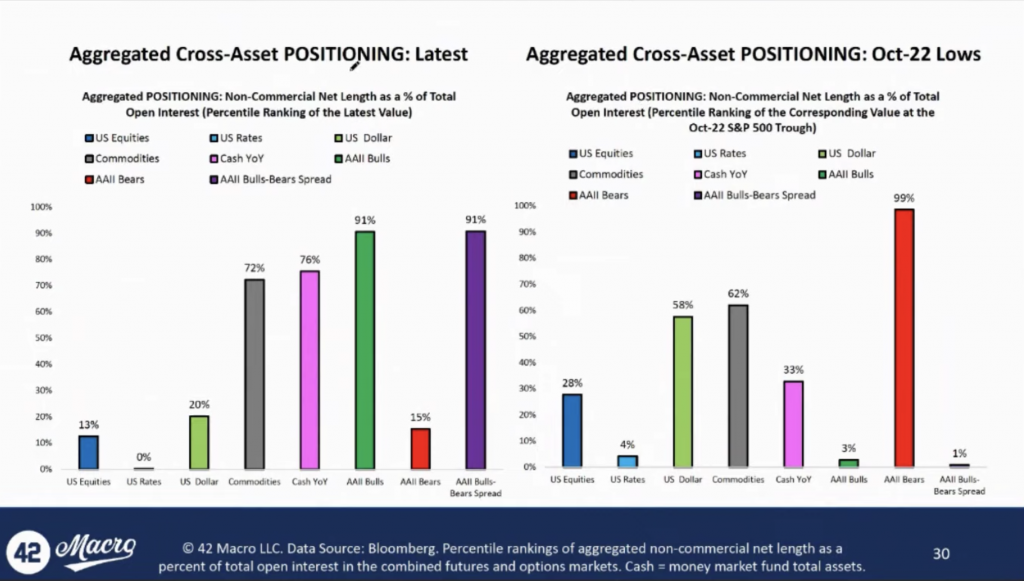
Although those investors may be correct about the market’s destination in six to nine months, the challenge lies in the three to four months leading up to that period.
We believe there is risk of a continued market rally in the back half of the year, not driven by fundamentals but simply because the recession every bear is waiting on has not started yet.
That’s a wrap!
If you found this thread helpful, go to www.42macro.com/macro-bundle to unlock actionable, hedge-fund caliber investment insights and have a great day!
Where Do We Go From Here?
Where Do We Go From Here?
Last week, Darius joined Erik Townsend from Macro Voices to discuss the Stock Market, Credit, Inflation, and more.
Here are the three biggest takeaways from the interview that are critical for managing risk:
1) The Stock Market Always Rallies Sharply Leading Up to Recessions
When we evaluate the S&P 500 performance a year before its peak preceding a recession, we usually see it in the green, up on a median basis by +16%.
This year’s rally is not abnormal.
Our expectation is that the coming recession could kick off by the end of this year or early next year.
Moreover, we evaluated the S&P 500’s behavior in and around recessions since 1948, and our research shows the index, on a median basis, typically experiences a drawdown of -24%.
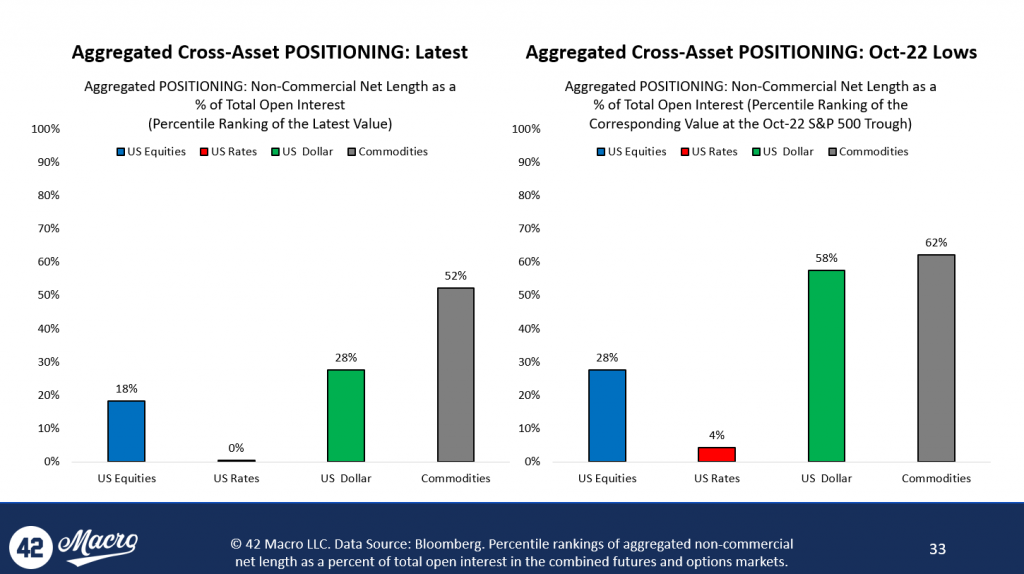
What triggers these rallies are not just macro fundamentals but also how investors are positioned in relation to potential outcomes.
Right now, we believe the current positioning dynamics may push the market higher in the short term because investors remain underweight equities to an extreme degree.
Understanding these positioning cycles is essential for getting the investment game right.
2) We Believe That A Phase 2 Credit Cycle Downturn Is Still On The Horizon.
The Silicon Valley Bank crisis, despite its impact, does not suffice as the Phase 2 Credit Cycle Downturn that we expect to see.
We believe there was a substantial decline in credit and lending standards already evident in January’s senior loan officer survey report.
The crisis did trigger further degradation, but only marginally.
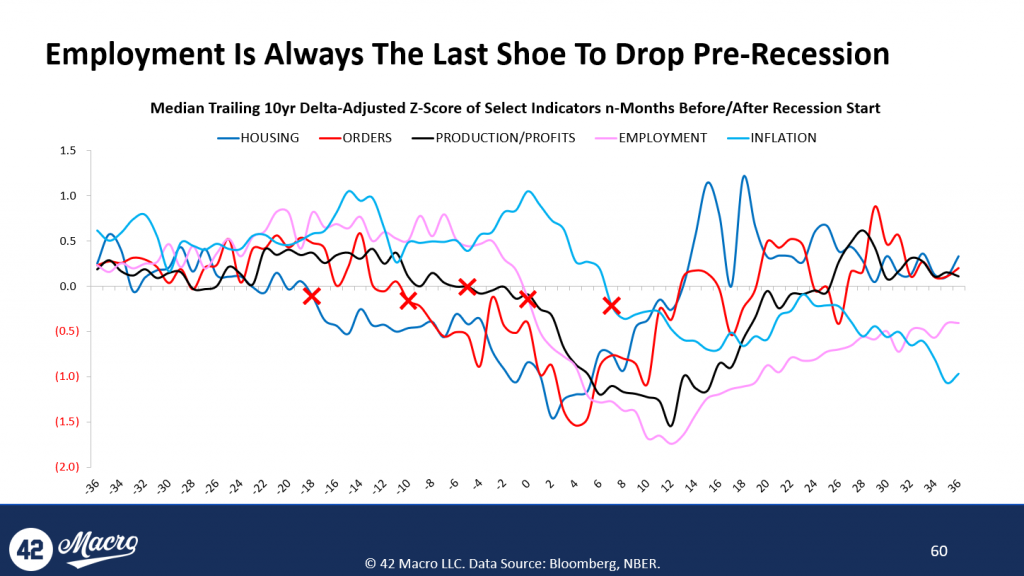
Additionally, we review five key cycles as part of our 42M research – housing, orders, production and profits, employment, and inflation.
The current data indicates a very regular business cycle, with housing, orders, and production and profits already breaking down.
Employment and inflation have yet to break down, and typically do not until the start of (employment) or well into (inflation) a recession, meaning we likely have not seen the start of the recession yet.
As such, the Phase 2 credit cycle downturn is yet to come and recommend incremental patience in terms of respecting the x-axis.
3) Immaculate Disinflation In The US Economy Is Likely To Conclude In 2H23
Over the past few months, we have seen substantial declines in measures of underlying inflation like median CPI, trimmed mean CPI, median PCE, trimmed mean PCE, super core CPI, and super core PCE.
This immaculate disinflation has contributed to the “transitory Goldilocks” theme we’ve observed in asset markets.
We refer to this inflation as ‘Immaculate’ because inflation normally breaks down 6 to 8 months after a recession; here it has meaningfully broken down beforehand.
For a variety of cyclical and structural reasons, we anticipate immaculate disinflation is nearing its end and that we will likely see inflation firm up in 2H23 – relative to expectations and potentially on an absolute basis as well.
We expect soft landing expectations to peak before the “immaculate disinflation” narrative is overtaken by our “resilient US economy = resilient US inflation” theme, contributing a blowoff top that leaves the stock market vulnerable to Phase 2.
That’s a wrap!
If you found this thread helpful, go to www.42macro.com/macro-bundle to unlock actionable, hedge-fund caliber investment insights and have a great day!
Is It Time to Go Risk On?
Is It Time to Go Risk On?
Last week, Darius joined @maggielake from @realvision to discuss #Inflation, the U.S. Consumer, and more.
In case you missed it, here are three takeaways from the interview that are important for your portfolio:
1) Consumer Confidence Is Increasing, And The Consumer Economy Is Resilient
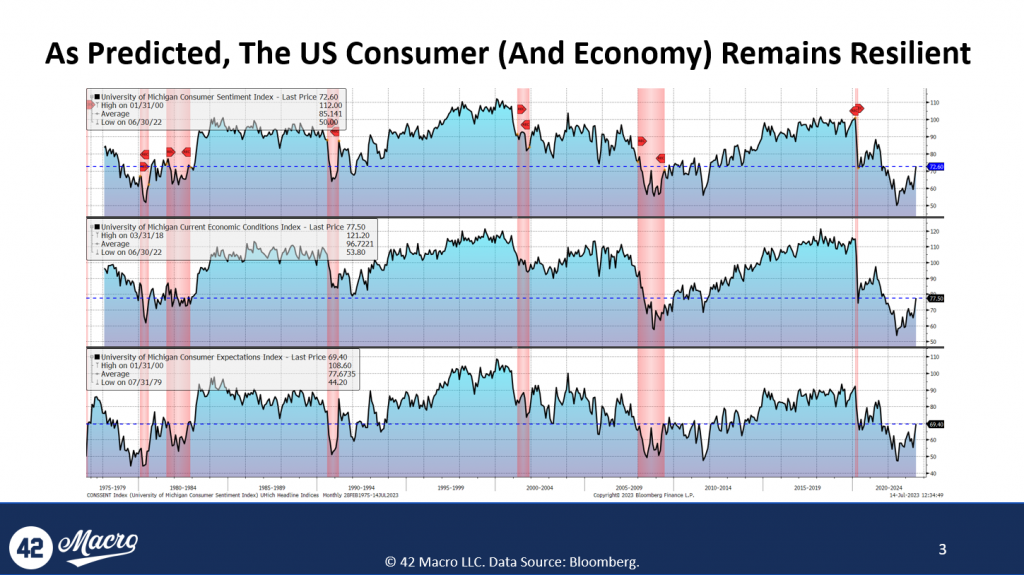
With the University of Michigan Consumer Sentiment Index ticking up by a substantial 8.2 points to 72.6 this month, we are seeing the highest level of consumer confidence since September 2021.
This noteworthy monthly increase represents the most rapid rise since the winter of 2005.
The main contributor to this surge in confidence and the ongoing resilience of the consumer economy has been immaculate disinflation.
2) Immaculate Disinflation Has Caused Consumers to Believe Prices Will Continue to Decline Over The Next Year
The recent period of immaculate disinflation is leading consumers to anticipate a continued decrease in prices over the year ahead.
Despite a slight uptick in the UMich Expected Changes in Prices Index to 3.4, it is significantly down from the 5.5 level a year ago.
This deflationary anticipation is boosting consumers’ expectations of their financial situation, with the UMich Expected Change in Financial Situation in a Year data recording an eight percent month-over-month increase – the highest since July 2021.
Essentially, immaculate disinflation is bolstering consumer incomes, both real and expected.
3) The US Economy Has Been Resilient
This resilience can be attributed to a variety of factors, including:
- near record levels of cash in household and corporate balance sheets
- Limited private sector credit cycle vulnerabilities due to tepid credit growth prior to tightening and a low share of floating-rate debt
- minimal exposure to the volatile manufacturing sector
- labor hoarding, and
- the effects of Bidenomics
That’s a wrap!
If you found this thread helpful, go to www.42macro.com/macro-bundle to unlock actionable, hedge-fund caliber investment insights and have a great day!
Why is the stock market ripping?
Last week, we joined Real Vision’s Raoul Pal and Maggie Lake to discuss Liquidity, Debt Monetization, Recession Risk, and MUCH more.
In case you missed it, here are seven highlights from what many are calling “the best Real Vision Daily Briefing yet”:
Liquidity Drives Asset Markets
Although we believe the stock market will continue to squeeze bears well into the fall, poor liquidity conditions will likely drag asset markets down this summer.
Additionally, we are not sure we’ve seen this market cycle’s ultimate lows because we did not price in a recession last year. What we priced in, in our opinion, was a change in the Liquidity Cycle.
The markets will eventually need to price in the credit cycle downturn associated with the liquidity drain we’ve experienced in 2021 – 2022. We expect that to start in Q4 2023 – Q1 2024.
Understanding and Monitoring Liquidity
Changes in liquidity, driven by factors like central bank policy and the activities of commercial banks, can significantly impact asset markets.
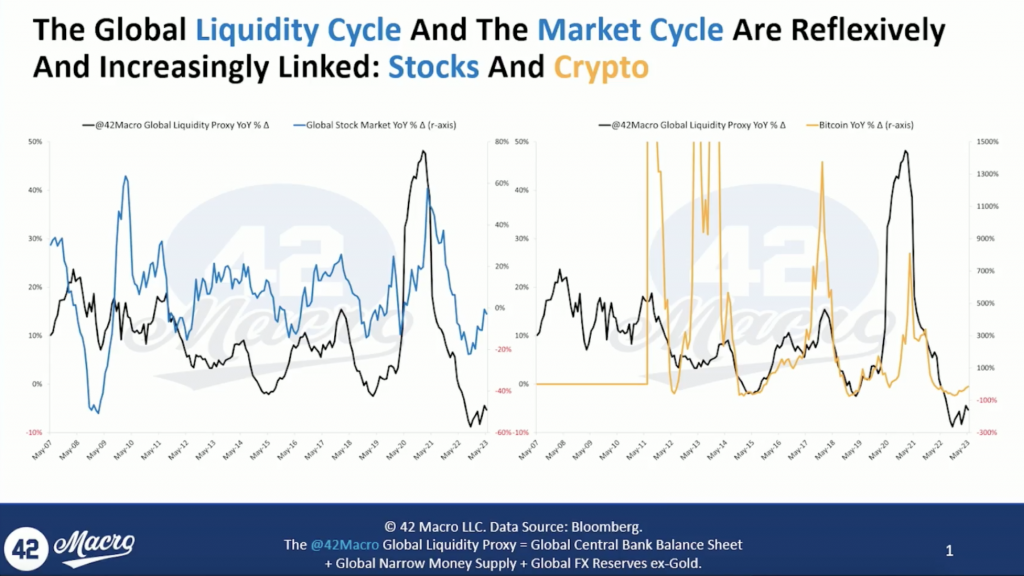
We have tested this extensively: our proxy for liquidity has a 97% correlation with the S&P 500 since 2009 and an 89% correlation with #Bitcoin since inception.
Over the short and medium term, we expect liquidity to fall with the return of Uncle Sam to the international capital markets.
We do not believe we have reached a durable positive inflection in the liquidity cycle yet. Liquidity bottomed in October, but we haven’t met those conditions yet in terms of getting an unimpeded rise in liquidity.
Central Banks and the Concept of Debt Monetization
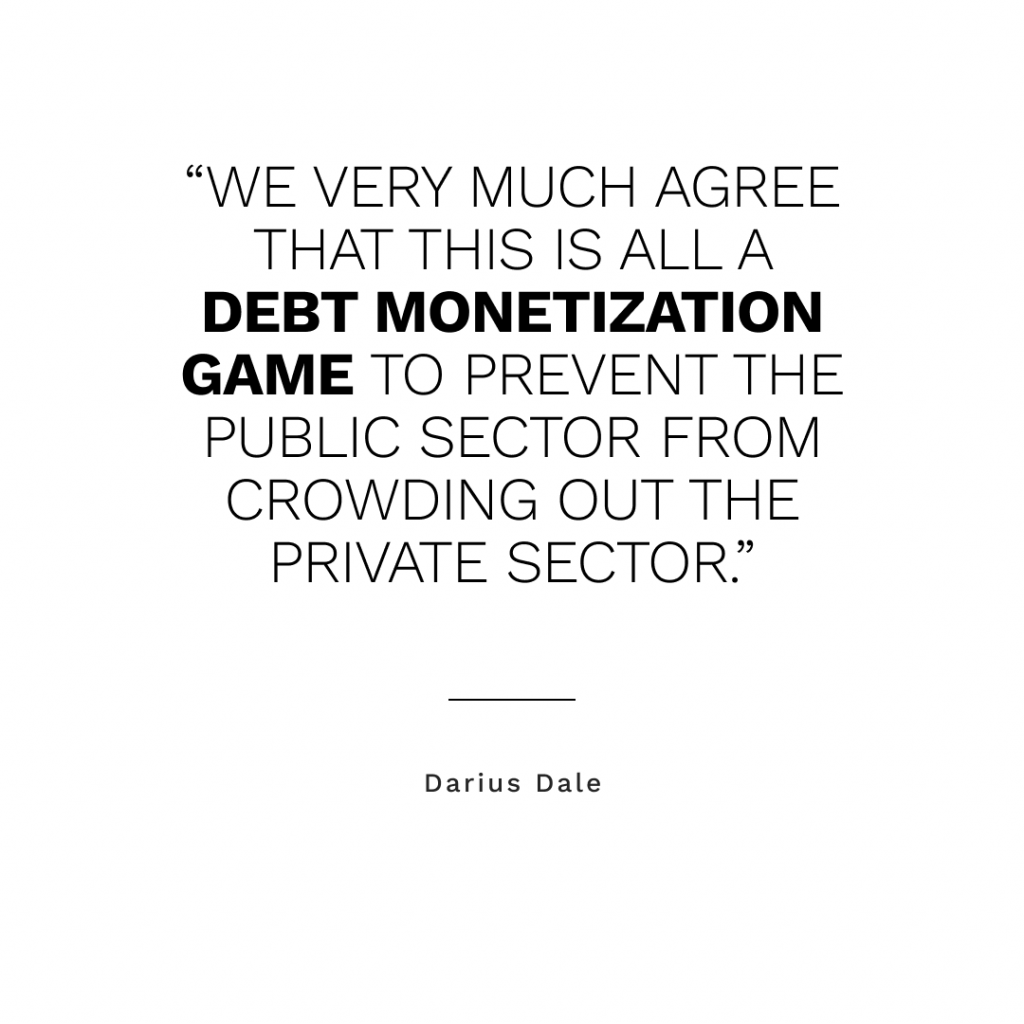
Debt monetization is when a government issues bonds and the central bank purchases them, thus increasing the money supply. This mechanism can prevent the public sector from crowding out the private sector.
“Crowding out” happens when the government borrows so much that it drives up interest rates, making borrowing more expensive for businesses and individuals.
We believe the central banks are currently playing a Debt Monetization game. However, we do not believe central banks are purposely causing economic deterioration to monetize public sector interest payments. Instead, we believe they are responding as crises occur.
The Liquidity Cycle
Our research shows there’s a three and 1/2-year cycle in global liquidity, with approximately 2 ½ years from trough to peak.
Assuming the most recent trough occurred last fall, we expect the cycle’s peak to occur sometime in the first half of 2025.
Similar to Raoul, we’re bullish in terms of the destination. We just differ on the path to get there and believe there will be pain in asset markets along the way.
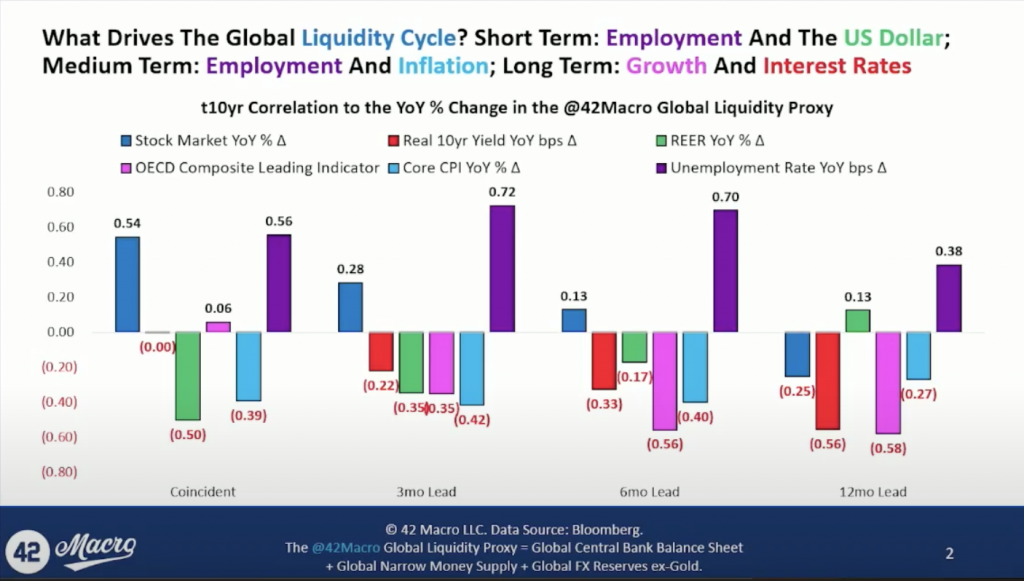
The Drivers of the Global Liquidity Cycle
To forecast global liquidity, we analyze the YoY change of a group of proven leading indicators, including equity market performance, real 10-year yield, real effective US dollar exchange rate, OECD composite leading indicator, core CPI, and the unemployment rate.
All of those factors combined imply that:
- Short Term: no liquidity
- Medium Term: falling liquidity
- Long Term: potential for rising liquidity
Although we expect the liquidity environment to be positive in 2024, we expect there will be a period of 2022-style liquidity conditions along the way.
Recession Expectations
We believe the recession will commence in Q4 2023 or Q1 2024 and will overwhelm whatever favorable liquidity conditions are present at the time.
When the economy goes into recession, and people start losing jobs, risk assets decline (the median S&P decline in a recession is -24%).
Even if liquidity is increasing, there can still be corrections. And we expect that will happen at some point over the next year. The maximum drawdowns of the S&P 500 and Bitcoin during the Liquidity Cycle upturns experienced since 2009 are -34% and -74%, respectively.
When will this rally end?
We still believe most investors have the recession playbook on too early.
The economy will likely stay resilient until sometime around Q4 2023 – Q1 2024. History shows that the stock market is NOT forward-looking heading into recession – largely because it is busy squeezing bears. Rather, it tends to peak on a coincident basis with the peak of the Employment Cycle.
That’s a wrap!
If you found this thread helpful, go to https://42macro.com/appearances to unlock actionable, hedge-fund caliber investment insights and have a great day!
Macro Market Outlook: Pivot Soon?
We joined Paul Barron last week to discuss inflation, the jobs market, crypto outlook, and much more.
In case you missed it, here are 7 takeaways that will SIGNIFICANTLY help your portfolio over the next 6 months:
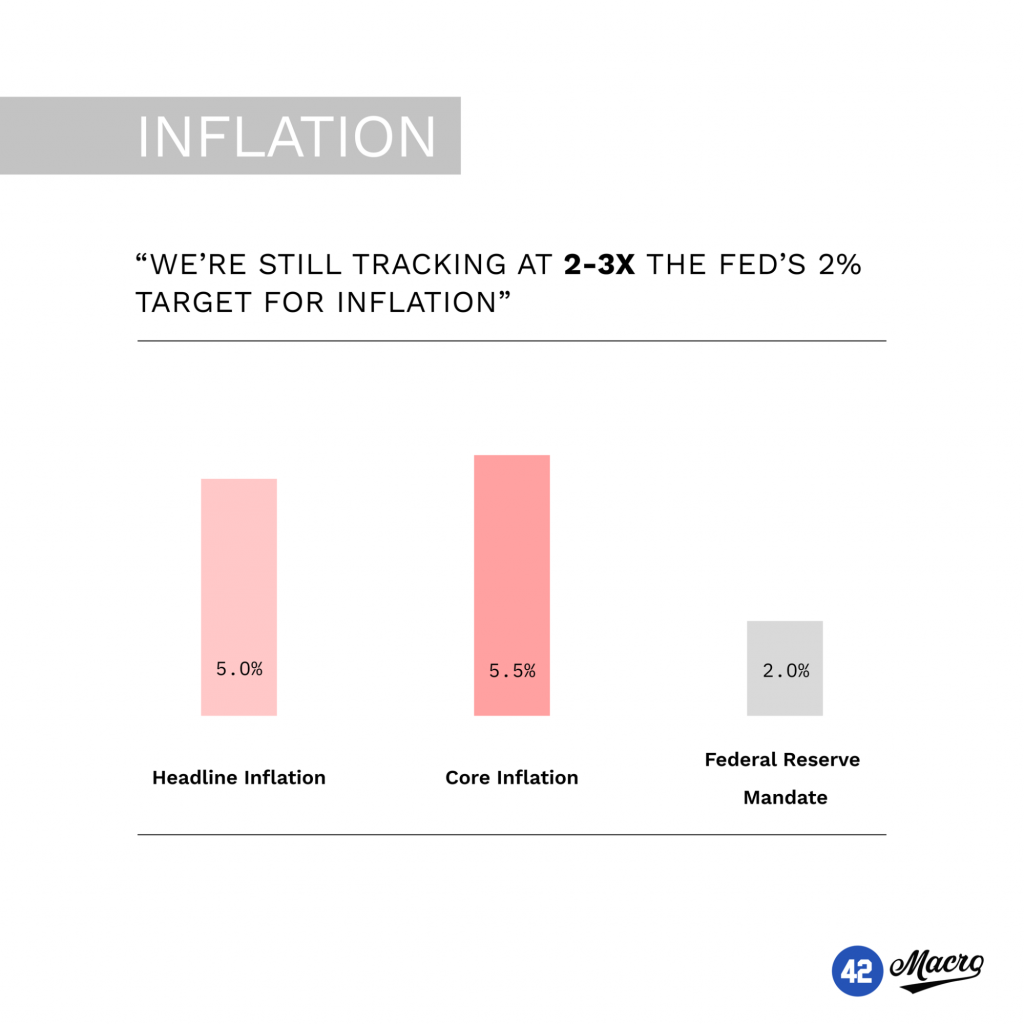
1) Although inflation is moving in the right direction, we still have some work to do.
Given the stock market’s (relatively) high current valuation and the bond market pricing in a quick Fed pivot, the inflation numbers we are currently at are scary.
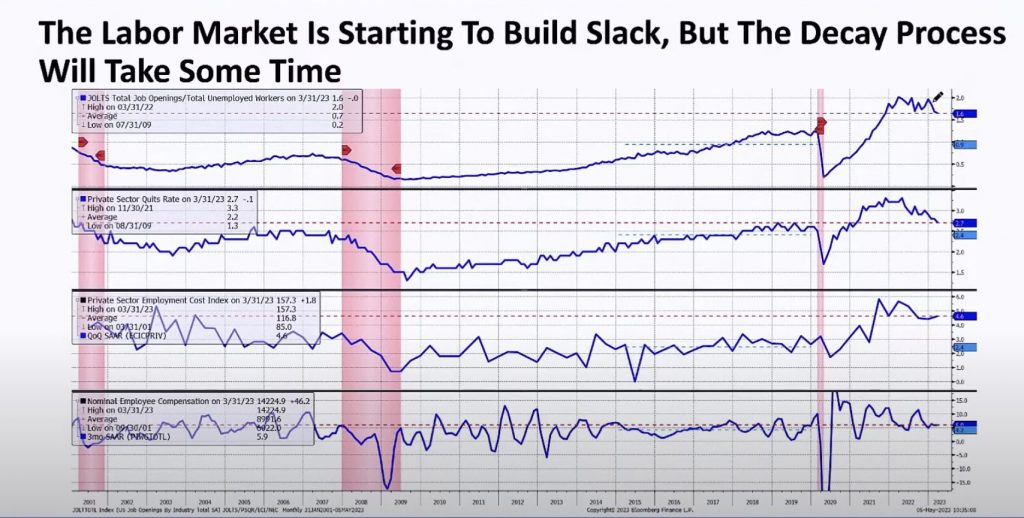
2) “The Fed has been explicit about waiting to see slack emerge in the labor market.”
Two significant labor metrics, Job Openings / Unemployed Workers & the Employment Cost index are 2x their pre-covid levels.
The Fed won’t pivot to rate cuts & QE until they see change.
3) The Fed doesn’t have enough data yet to determine the damage we will see in regional bank lending.
Pausing is how they can buy themselves time & assess those effects.
Given its change in guidance at the May FOMC, we believe the Fed has already implemented the pause pivot.
4) “Inflation tends to peak at or in recessions. It’s a very late cycle indicator, like the labor market itself.”
We’re currently experiencing an unusual inflation cycle – a lot of inflation was pandemic and fiscal stimulus-related.
Pandemic and fiscal stimulus-related inflation aside, we still have structural ~4% core inflation.
We’re going to need a recession to get that structural inflation back to where the Fed wants it to be.
5) What’s the outlook on Crypto?
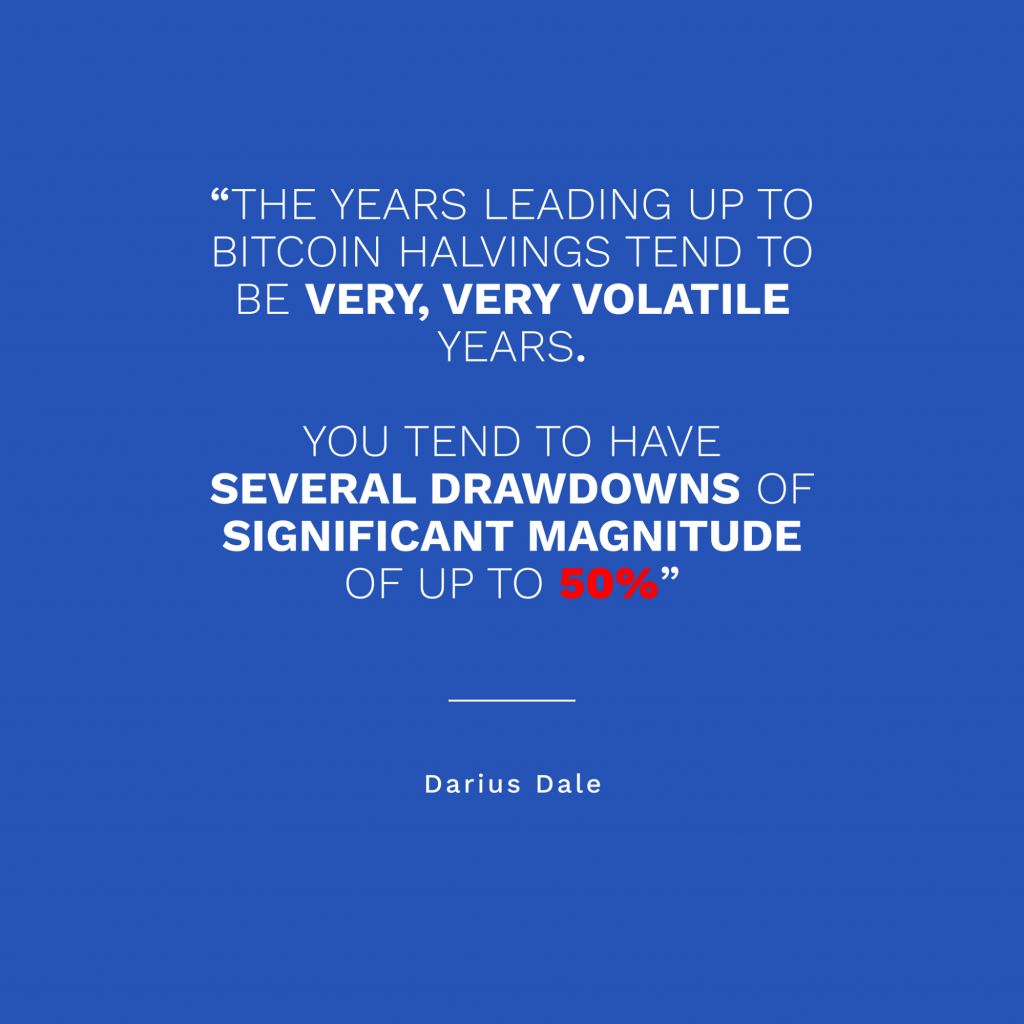
Pre-halving years are extremely volatile for Bitcoin; there are usually several large drawdowns throughout the year
On top of that, global liquidity isn’t ubiquitously improving anymore (and it will likely worsen throughout Q3).
The liquidity narrative that propelled BTC from $16k to $30k made sense; liquidity was improving back then.
But, it’s not anymore.
Bitcoin needs more liquidity to go higher.
Realistically, that likely won’t happen until next year.
6)Will there be opportunities to find outperforming single stocks?
Absolutely.
When the yield curve is inverted, we’re typically in the late stages of the economic cycle.
When you’re in the late stages, you usually see good companies continue to grow, while other firms increasingly fall by the wayside.
It becomes a stock pickers market.
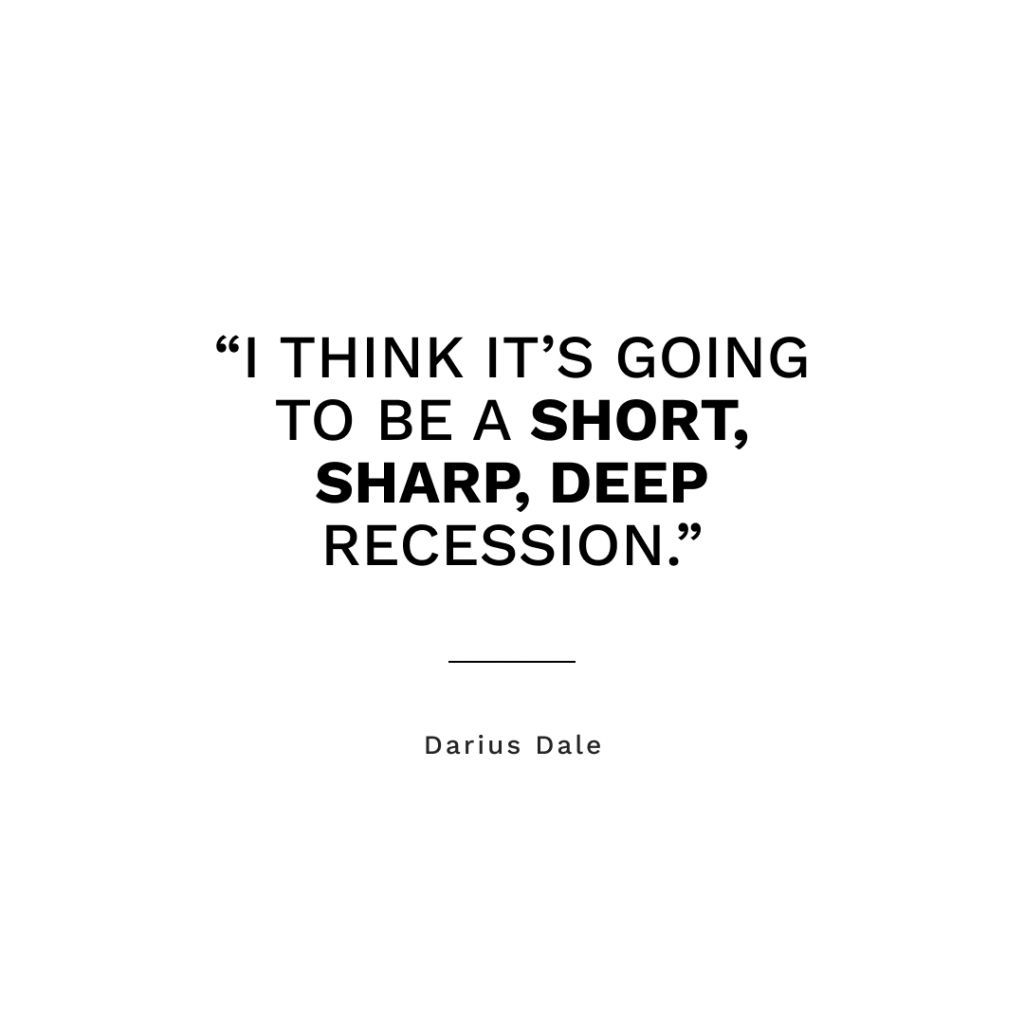
7) How long will the recession last?
The recession will most likely happen in Q4 or Q1 of next year.
But, there’s a lot of time before then; we can easily see a short squeeze at some point.
So, be patient.
Remember, these are the times when great wealth is made.
That’s a wrap!
If you found this article helpful, go to https://42macro.com/macro-bundleto unlock actionable, hedge-fund caliber investment insights.
Have a great day!